


A law firm website earns its keep when it brings qualified leads. Traffic alone doesn't sign cases. A page that ranks well but draws the wrong cases wastes your intake team's time.
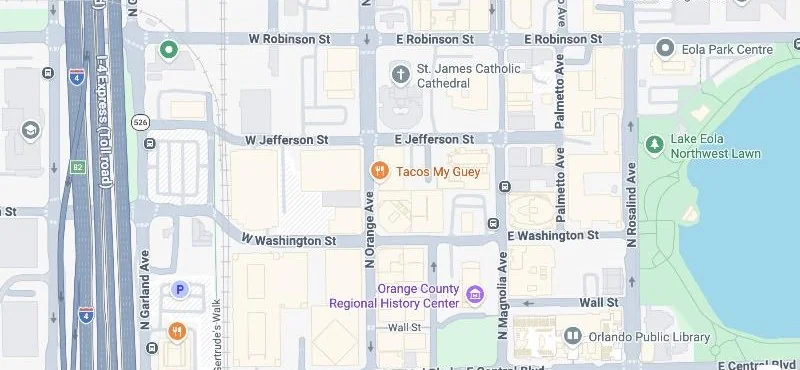
Below are the lead generation and marketing strategies we use on websites for lawyers, step by step. The rules come from The Florida Bar and Google, and the steps apply to most legal practices. Any web design in Orlando project for a law firm should build these steps in from the start.
What lead generation means for a law firm website
A lead is a person who contacts the firm about a legal problem. A qualified lead has a case type you handle, in a county you serve, with facts that could turn into a signed case.
Most law firm websites generate three kinds of lead. A phone call carries the most urgency, and a contact form often arrives after hours. A chat or text message comes from someone not ready to call. Each lead needs a fast reply, because potential clients often contact more than one firm.
1. Build practice pages that qualify each lead
Give each practice its own page, and split broad practices by case type. A personal injury firm needs separate pages for car accidents, truck accidents and slip and fall cases, because each search and each client differs.
Each page should answer the questions potential clients ask before they call.
- Who you help. The case types you take, and the ones you refer elsewhere.
- What happens next. The legal process from first call to resolution, in plain language.
- What it costs. How fees work, such as a contingency fee or a flat fee.
- What to bring. Documents and facts that make the first consultation useful.
Clear pages filter out people whose cases you don't take, which raises lead quality without extra ad spend.
2. Follow the Florida Bar rules on every page
The Florida Bar says a lawyer's own website and social media pages don't need filing for review. They must still follow the substantive advertising rules. The firm must file any sponsored or promoted posts and videos. Since July 1, 2026, the fee is $250 for each ad filed on time.
The Bar's website checklist flags these problems.
- Missing basics. Every page must name at least one lawyer or the firm, plus the city, town or county of an office.
- Promises. No predictions or guarantees of outcomes, and no past results you can't verify objectively.
- Testimonials. They must reflect the client's real experience, unpaid, with a note that outcomes may differ.
- Certification claims. Only board certified lawyers may claim certification, and a law firm itself cannot.
A claim that an attorney specializes needs objective proof, such as board certification, training or substantial experience.
3. Make contact easy on a phone
Many potential clients search for lawyers online from a phone, often right after something goes wrong. Place a call button and a brief intake form near the top of every practice page, so the next action takes one tap.
Ask only for a name, phone number, case type and a short description. Add a note that sending the form doesn't create an attorney-client relationship, and ask visitors not to share confidential details yet. Then answer every call and lead form fast, including after hours.
4. Earn trust before the first call
Legal clients hire lawyers, not logos. Give each attorney a bio with bar admissions, education, board certifications and the case types they handle. Add real photos of the team and the office.
Reviews and case outcomes help, as long as they follow the Bar rules above. Publish verdicts or settlements only with the facts that make them accurate, plus the required disclaimers.
5. Rank in local search
Clients usually find a lawyer through a local search, such as "car accident lawyer Orlando". Local SEO puts your firm in Google Maps and the local organic listings.
Google treats lawyers as individual practitioners. A public-facing attorney whom clients can reach at the office during stated hours can have a Business Profile of their own. That listing should carry only the lawyer's name, while the firm keeps a separate one for the location.
Connect each listing to practice pages that name the areas you serve, and ask satisfied clients for reviews. Our law firm SEO plans start at $4,000 a month, with $700 for each Google Business Profile.
6. Add PPC ads when you need cases fast
Search engine optimization takes months to gain ground. PPC campaigns on Google Ads can put your firm's ads at the top of search pages as soon as they go live. That helps when you open a new practice or face a slow month. Law firm PPC can cover that gap while the pages build rankings.
Send each ad to the matching practice page, not the home page. Track the results of each campaign by cost per signed case, not only cost per lead, since legal clicks can be expensive. Check whether each paid ad needs filing with the Bar before it runs.
7. Track every lead to a signed case
Generating leads is only half the job. Lead generation works when you know which pages and ads generate signed cases. Mark calls, form sends and chats as key events in Google Analytics, which allows up to 30 key events per standard property.
Use call tracking to show the page or ad behind each call. Then record every lead in your intake platform or CRM, with a list of outcomes from first contact to signed case. That reveals your conversion rate at each step and the real return on your legal marketing.
A custom law firm website from Rathly starts at $9,000, paid once, and the firm owns it. Each law firm web design build includes intake forms with disclaimers, call and form tracking and a CMS your staff can edit.